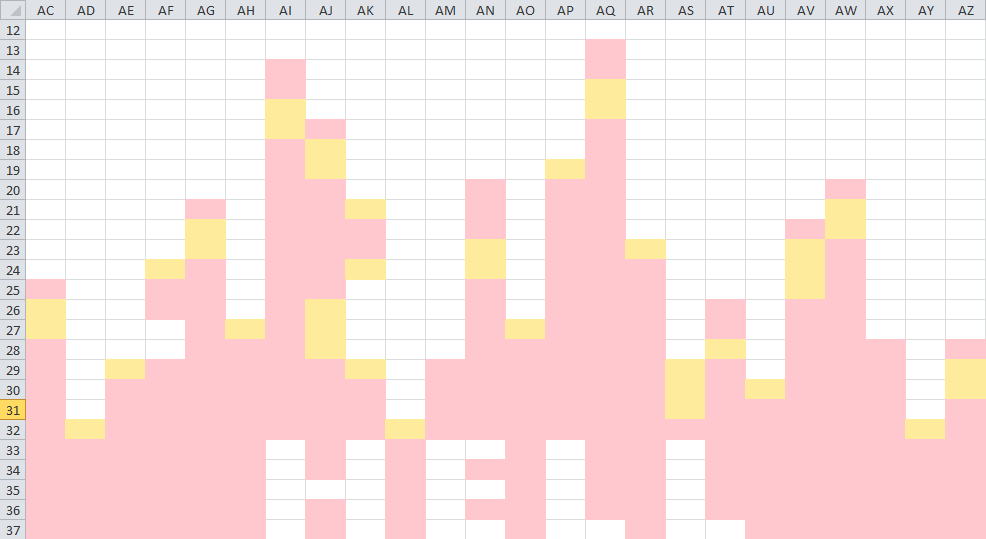
Spreadsheets stink for project management
Part I
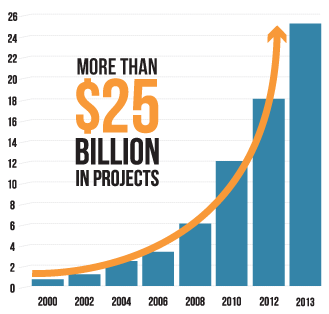
The larger a project, the more documents project teams need to manage. It’s plain fact. With a growing number of large projects, keeping track of documents becomes quite a chore. This chore becomes a burden for growing organizations, forcing many to implement a third party system. Evidence of this phenomenon is the flood of organizations turning to Google Docs, Share Point, base camp or thousands of others. With so many document management systems (DMS) available, I found myself asking: Why are so many growing organizations using excel spreadsheets to manage documents?
When I started marketing ProjecTools Documents, our DMS system, it seemed like a no-brainer. Who wouldn’t use a third party system instead of a spreadsheet to keep track of documents so integral to organizational functions? Especially engineering and construction firms where information accuracy could make or break a project. After some time, I found four common objections:
- Our spreadsheets have always worked for us in the past.
- We don’t trust a third party with our proprietary information.
- We don’t want to pay for something we already have.
- Our organization won’t change.
I’ll address these objections as we do with clients in the order listed above.
Objection #1 – Our spreadsheets have always worked in the past Ok, document tracking spreadsheets worked in the past. That may be a true statement, but it may not be a valid objection. The reason it may not be a valid objection is that it worked in the past. The key here being past. To test the validity of this objection, I ask: Is it working now? To hash this out, I present a series of True or False statements to determine if the system meets simple DMS standards.
- I know latest official review for each document.
- I know who has checked out each document
- I know the recipient of each document routing
- There are zero duplicate documents in my system
- There are zero ambiguously named documents
- No documents have been lost or misplaced within my system
- Employees are not permitted to delete files
- My system holds my clients accountable
If an organization answers False to any of these statements, it renders the objection invalid because the system is not controlling documents, it is simply archiving them. Proponents of spreadsheets who answer False for the above statements about their spreadsheet document control may counter this claim by maintaining that all systems have shortfalls. Even though no DMS is flawless, any good document management system allows a document controller to answer ‘True’ to the above statements.
Part II
Last week, I posted the first part of this article about how spreadsheets stink for project management. In that entry I mainly addressed the common argument that document management spreadsheets have worked in the past. In that post, I argues that spreadsheets may have worked, but they probably don’t work very well. Here are my responses to the next three objections.
Objection #2 – We don’t trust a third party with our proprietary information.
Fine, don’t trust a third party with proprietary information. Don’t route documents through external email servers. Don’t allow employees to bring jump drives to work, and make sure the IT budget covers the cost of infrastructure and redundancies that third party providers employ. Moreover, make sure your IT team has the time and resources to test and secure the network to a standard that specialized DMS can. Please keep in mind that the DMS provider has to keep the client happy. DMS providers don’t retain clients by putting client’s information in harm’s way. Other things spreadsheeters should think about are: Which team members have read/write permissions to the organizational spreadsheets. Are any permissions assigned? What if a mistake is made? How would that be tracked? What if the spreadsheet is deleted? Is there a backup plan? What if the server crashes? Is everything backed up? How much downtime will a crashed server cause? These questions deserve answers. If an IT department can’t give straight answers, look elsewhere. Similarly, if a third party document management system seems shaky, has ill repute, or offers a vague security license agreement – find another provider.
Objection #3 – We don’t want to pay for something we already have.
You get what you pay for. If an organization keeps document management in house and manages its documents with spreadsheets, they pay for it. They pay in unachieved efficiency, duplication of efforts, excess IT infrastructure, labor, and/or lost opportunity for growth. The value of DMS boils down to doing more with less: more productivity with less infrastructure, less duplication of effort, revision control, and fewer mistakes. In short, using spreadsheets for document control may cost less up front, but spreadsheets cannot enforce workflow or hold team members accountable, which will save an organization time, money, and credibility (in the end). The question becomes: What will not implementing a good DMS system cost you?
Objection #4 – Our organization won’t change.
An organization that refuses change for the better clearly is not looking toward the future for growth and scalable opportunities. A good DMS that will enforce workflow, increase accountability, and increase efficiency should be welcomed and championed. As sophisticated DMS becomes the norm, organizations employing the old spreadsheet method may be overlooked by clients, resulting in fewer awarded bids.
ProjecTools Product Information
- 488

Construction and Commissioning Software
Commissioning Management System (CMS) for mechanical completion, pre-commissioning, commissioning and handover. Auto-populate existing Inspection Test Records (ITRs) or build new forms using ProjecTools Smart Form technology. Significantly reduce setup time with auto-assignment
Project Control Software
Define work breakdown structures (WBS), build a profiled baseline budget, and manage administrative and contractual change orders. Execute your budget plan from start to closeout using a system controlled process. Use integrated, web based tools
Procurement Management Software
Generate and track Requests for Quote (RFQ) with system-enforced workflows for WBS, Supplier Data Requirement List (SDRL), requisition schedules, approvals, technical and commercial documentation, revision updates, status reports, etc.ProjecTools links information
Document Management Software
ProjecTools Document Management Software View PDF Version ProjecTools Document Management Software resolves the problem of revision control, communication[...]
ProjecTools Resources
Project Accountability Management
Crush expectations and requirements and make your project team the poster of project accountability management by delivering quality on schedule.
- 1227
Squad Check Workflows for Engineering Projects
Squad Check Workflows are a critical component of delivering quality documentation and deliverables. Failure to manage the process properly can be fatal.
- 691

Killing Project Cost Growth
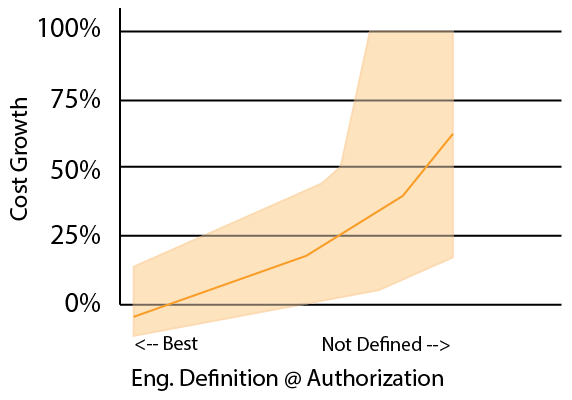
By using better defined engineering specifications, estimating teams have a better idea of what things will cost. The overly aggressive schedules have caused hasty estimating which leads to cost growth. By simply using more mature engineering data, estimators
- 686

AEC PPM Software Buyer Guide
When low price is the primary factor in choosing an application, the old adage “You get what you pay for” usually rings true. It’s easy to approach software with a low price mentality. Don’t do it!
ProjecTools Videos, Demos, and Webinars
- 1614
Supplier Document Management for Construction Projects
Supplier document management is a vitally important component of design and build projects. Often times projects don't plan for supplier document management, so there is a scramble to process the documents, execute reviews, and provide feedback. The most common result of this scramble is throwing manpower and spreadsheets at the problem. Missing the mark in managing supplier documents leads to delays, shutdowns in operation, and upset investors and asset owners. The best way to hit the mark is planning for supplier document management alongside document management planning (preferably before the design phase).
- 1575

How Data Silos and Spreadsheets Hurt Energy Projects
...will give you a competitive advantage particularly on large complex projects and that managing those large projects with spreadsheets, email...
- 1530

Managing Quality Surveillance for Accountability and Efficiency
So how do you approach adding order, precision, and efficiency to quality surveillance? One thing to look for is a system that...
- 1585
Applying Earned Value Management to Document Control
Let’s talk about the importance of earned value and where most applications fall short in measuring earned value for document control. We will also...